
About the Author

Dr. Chris Winter had been practicing sleep medicine and neurology for over 15 years, and has been a part of the sleep research field even longer. He hosts the podcast Sleep Unplugged and is the author of two books. Winter has been involved with many professional sports teams, assisting in optimizing athletes’ sleep. He enjoys studying sleep and how it intersects with athletics, and is a triathlete himself. He has written for various websites, magazines, and has had many TV appearances. He is currently the owner of Charlottesville Neurology and Sleep Medicine clinic and CNSM Consulting. Winter previously was the Medical Director at the Martha Jefferson Hospital Sleep Medicine Center, which he founded in 2004.
Summary
The Sleep Solution: Why Your Sleep Is Broken and How to Fix It was Dr. Chris Winter’s first book, which explores pretty much all things sleep (surprise!). The book overviews a general knowledge of sleep, what effects it, sleep science, sleep hygiene, sleep aids, sleep schedules, sleep conditions, and sleep studies. Winter narrates the non-fiction book with humor and comfort as he walks his reader through the knowledge and practices that will enforce healthy sleep. This book is for everyone who doesn’t feel like they sleep enough, at all, or have some other difficulty with sleep. It’s a fun read with plenty of witty footnotes, and assessments about your own sleep to keep you engaged.

Sleep!
The Glymphatic System
The Glymphatic System is the system that removes waste from our brains, and it works 60% more effectively while we are asleep. Before 2015, neurologists thought that the nervous system had no way to remove waste. Two researchers discovered that was incorrect, and now scientists generally are on the same page about this system. Not sleeping enough doesn’t give our brains enough time to sort through the waste, which is mostly amyloid beta, a protein that collects in Alzheimer patients’ brains. Sleeping enough allows your Glymphatic System to be productive, and sleeping on your side can increase efficiency even more.
Sleep plays a big role in a lot of neurological disorders and other health concerns. There are connections from sleep to Alzheimer’s, Parkinson’s, Obesity, Cancer, Common Colds, Diabetes, and more.
Sleep Schedules
Sleep schedules allow for consistency. Exercising in the morning under the sunshine orientates your brain for the day. Eating meals at the same time, and having a protein heavy breakfast helps your brain attune to the day. Going to bed at the same time allows your mind and body to anticipate what’s next, and be ready for it.
Anxiety
Oftentimes people struggle to wind down their minds before sleep. Brain dumping all your thoughts onto a list, and visualizing locking them in a box allows for you to let go of all your thoughts from the day. Journaling is extremely helpful for this.
The Best Thing For Your Sleep
Chris Winter states the BEST thing you can do for your sleep is wake up at the same time everyday. People who are in control of their sleep don’t adjust their sleep to their life, they have a consistent schedule that is kept regardless of their life.
Sleep Aids
Many people (myself included) feel that melatonin is an effective sleep aid. It’s been proven that melatonin is actually quite weak, and is as useful as turning to sleep laying with your head at the foot of the bed.
Sleep Conditions
Insomnia is often talked about regarding not sleeping. Many people seem to believe that they do not sleep, which is simply not true if they are still functioning. Insomnia is when a person cannot sleep when they want to sleep, and/or does not sleep efficiently through the night. Insomnia sparks anxiety, which brings more difficulty sleeping. The cycle continues. Sometimes the best way to combat sleep difficulty is to not stress about it.
Winter begins the section on Restless Legs Syndrome by saying “You are undoubtedly going to think this next sleep problem is made up, but I assure you it is not.” I didn’t doubt him for a second. In fact, I’m sitting here bouncing my legs, trying to stretch out the discomfort I have from this very condition. He goes on to say that with RLS your legs “feel so uncomfortable . . . like insects crawling around deep inside your legs . . . like an internal itch you can’t scratch!” I can vouch for the crawling under my skin and the unscratchable itch in my legs. It is a hereditary condition that is often overlooked by doctors, passed off as a mineral deficiency. Exercising does improve symptoms in some cases, but for some can also make it worse. Restless Legs is a condition that affects legs, but it’s really the brain that’s the problem. Dopamine wakes us up and regulates our sleep schedules. It also affects muscle activity. Some medications prescribed for RLS work by increasing dopamine levels in the brain. The only somewhat effect fix I’ve found is compression sleeves/socks to apply deep pressure to my calves.
Gender
While gender has really nothing to do with this book, there were a couple spots where I felt slightly off put by the description and wording regarding it.
“Think about the friend who always talks about what a wonderful sleeper she is–you know, the woman who just can’t seem to understand why you have so many sleep problems when she just drifts right off when she gets into bed. You know her: She’s healthy, happy, and productive. Works hard during the day, sleeps well at night. Great abs, no cellulite, boobs like a junior in college (you’d never know she’s the mother of a four-year-old and a seven-year-old!).”
Page 79, Vigilance and Arousal
This description feels unnecessarily specific about women and beauty standards. Sleep can do a lot for you, but it won’t make you fit beauty standard perfectly. This comment enforces unrealistic beauty standards around women’s bodies, and feels uncomfortable coming from a male perspective.
When speaking about if humans need the sun to regulate our circadian rhythms, or if we can alter them by changing our environment, Winter writes “About eighty years ago, two guys tried to answer that very question by going on the ultimate male-bonding adventure.”
Page 92, Circadian Rhythms
I find the phrasing of that “male-bonding adventure” uselessly gendered to fit the idea that guys are scientists who are willing to go on wild adventures to test their theories. The use of “male-bonding” feels strange to me, why can’t people just bond regardless of gender or sex?
Conclusion
This book was a great and engaging overview of sleep. It was relaxing to read, and helped me to feel less stressed about my sleep. It also gave me the insight to RLS that my primary doctor couldn’t. The book was well organized and covered a variety of topics. I enjoyed the assessments and footnotes that added a little more humor to a more serious and often stressful topic.
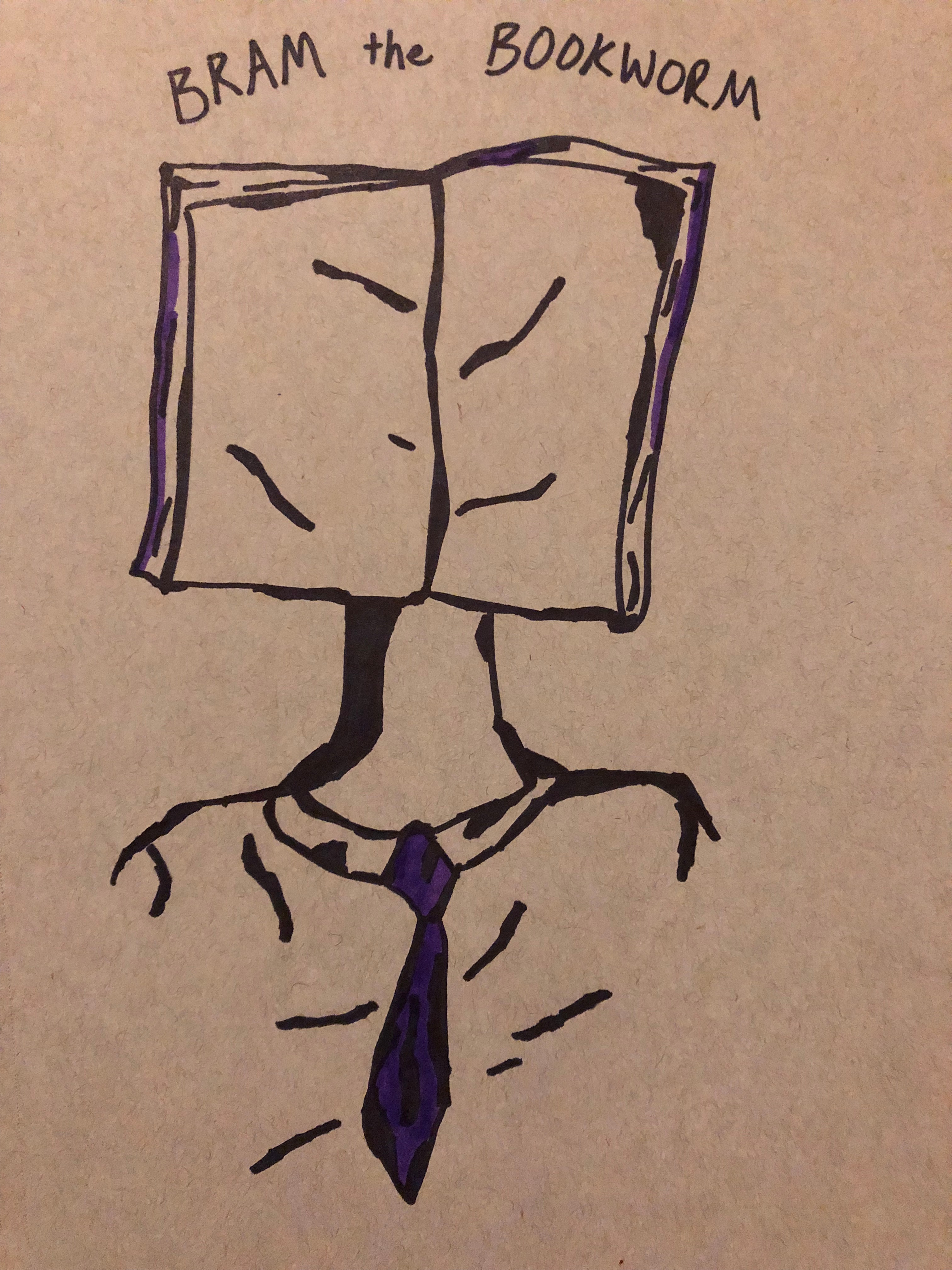
 Bram the Bookworm
4 responses to “The Sleep Solution: Chris Winter’s Take on How To Fix Your Sleep (Book Review)”
Thanks Bram, I learned a few things about sleep and our nervous system from your review. I agree this author is readable on a nerdy topic. Thanks for the review!!
LikeLiked by 1 person
Thanks for reading!
LikeLike
Bram, very useful and well-written review! I had no trouble staying awake reading it.
Gpa
LikeLiked by 1 person
Thanks for reading!
LikeLike