
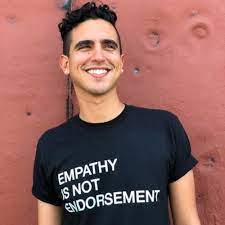
Dylan Marron is the host of the podcast and the author of the book Conversations With People Who Hate Me. He has made many videos, including The Unboxing Series and Sitting In Bathrooms With Trans People. He has his own TED Talk: Empathy Is Not Endorsement. Dylan continues to present activism in unique and effective ways.
After working for Seriously.TV and producing a variety of progressive videos, Dylan received hate online. It’s easy to write a comment saying something like “You’re the reason this country is dividing itself”, or “I hope you get eaten alive by wild dogs”, but when read aloud, the senders realize how outrageous they really sound. After speaking to someone over the phone, and having that real-time connection, the hate disappeared between Dylan and the senders. Dylan’s podcast was a big hit; he went on to write a book about his experiences hosting, and all of the lessons he learned on the way.


Dylan explores the idea of conversation; not debate, not argument, just plain conversation. He describes it as a dance, the ebb and flow of phrases being passed back and forth. Even with people who hold different beliefs, he listens. The guests of the podcast feel heard, and are willing to to hear Dylan too. By simply listening, people begin to open their mind just a little. “Hurt people hurt people” is a phrase Dylan thinks about in his book, which rings true to online hate. The people spreading hate online are externalizing things they think about themselves or have been told to think. Sometimes by talking about it, they are able to process the emotions connected to those thoughts.
To ensure a safe space, Dylan informs his guests that his podcast is not a shaming environment. Shame is a reflex, but Dylan speaks of “calling in” instead of singling out. Calling in is about accountability and communication. By taking time to undo this reflex, we are able to cultivate a more productive and kind place for everyone. Dylan achieves this online with this new way of activism, inviting people to have a conversation instead of spreading hate back to them. A conversation between two people isn’t going to solve any major world problems, but it begins to build a bridge over a hateful divide.
Upon receiving a hate comment, Dylan visits their profile and attempts to humanize them. By seeing photos of family and pets, it seems like the sender couldn’t possibly be such an evil person anymore. By doing this, Dylan empathizes with them. He further investigates this idea of “empathy is not endorsement”. Dylan doesn’t have a problem with the individuals he speaks to, he has a problem with homophobia and racism as a whole. By being able to have empathy is someone who believes being gay is a sin, he isn’t endorsing that belief. Instead, he is able to connect with them and see the similarities between them and himself. This enforces less shaming and more kindness towards each other.
Later on in the podcast, Dylan begins to moderate conversations between others who have received hate online, and the senders. By doing this, he realizes that some people don’t have the “luxury of empathy”. When people are constantly the target of hate, they probably wouldn’t want to have a personal conversation with someone who holds beliefs that hurt them. It can be emotionally draining to have to live with so much friction, and it is more beneficial to be surrounded with support, not hate.
At the end of the book, Dylan talks about his realization that the people he talks with can’t be labeled as trolls, haters, or conservatives. “Each guest comes from a different place, is guided by different principles, and values different things. They each have different wants and needs and desire and goals. They have different experiences that have shaped their different lives, and they each have radically different ways of recounting those experiences. There isn’t even an appropriate term to describe the dozens of strangers that I’ve spoken with for this social experiment.” (Page 241) “Snowflake” is a derogatory term describing someone (usually gay people) who are unique, entitled, emotional, easily offended, and unable to deal with disagreement. Dylan clearly doesn’t fit this description, as he is open to listening and understanding different views, and isn’t offended by his hate comments. The people sending the hate are similar to this definition: they refuse to see Dylan’s views, get upset by videos online, and think they are entitled to call him slurs. Dylan talks about this in his TED Talk, and closes by saying that the people who refuse to talk, block him, or agree and hang up immediately are the snowflakes themselves.
No matter their morals, everyone just wants to be heard. In a perfect world, no one would get hate comments, but we can’t stop the spread of online hate. Instead we can take a different approach, similar to Dylan. We can listen, empathize and remember not to shame. This book gave me a better understanding of online hate, shame, empathy, and conversation. I think this book would be beneficial to everyone. While it isn’t particularly outstanding in terms of writing and story-telling, it has significant themes, morals, and take-aways. By healing connections we can begin to attack larger scale issues in our world without shame and hate. On the last page of his book, Dylan states “conversation is a tiny, enormous, mundane, epic, boring, thrilling, simple, complex act of rebellion that builds a bridge where there wasn’t one before.” (Page 251)
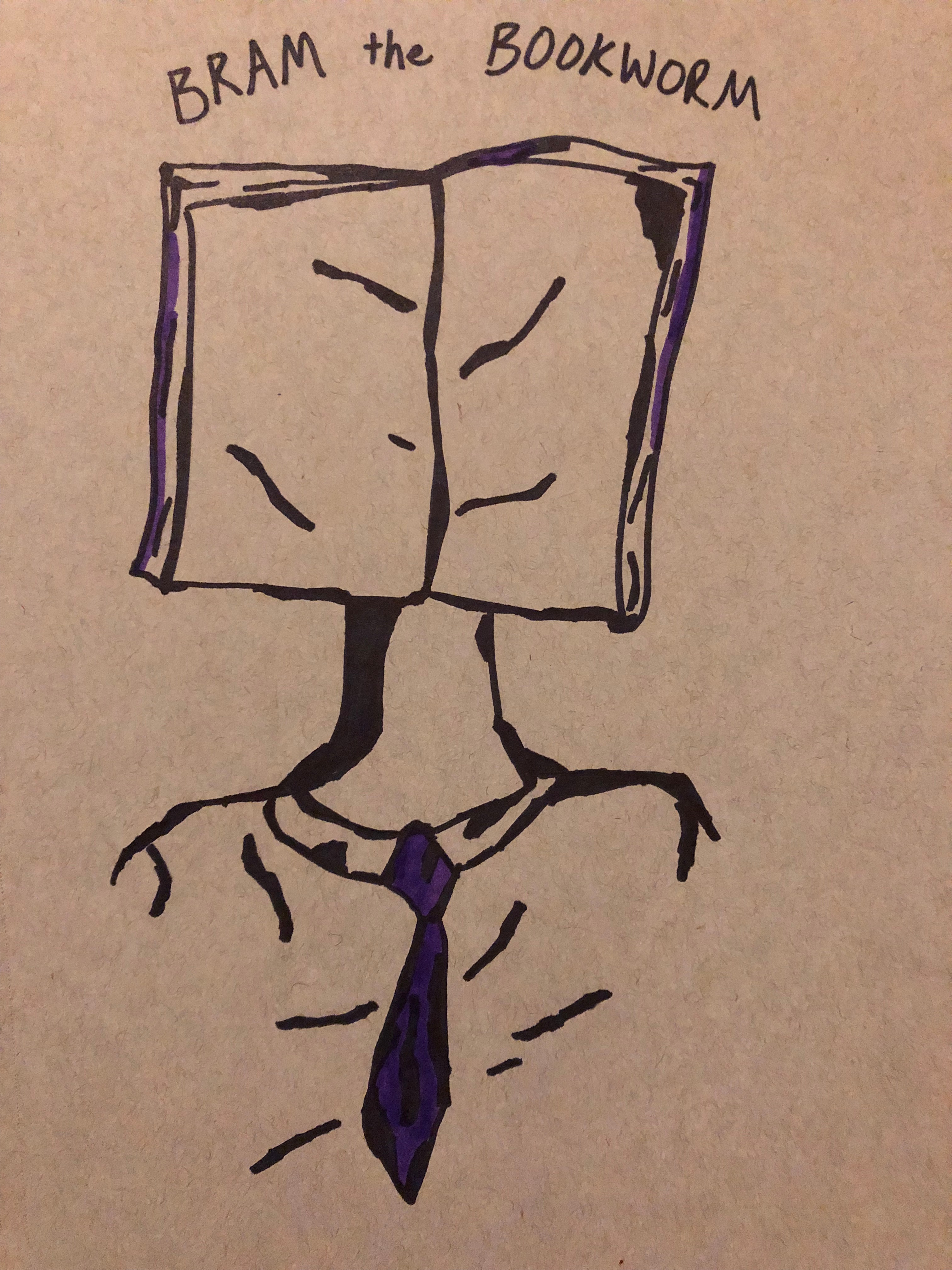
 Bram the Bookworm
3 responses to “Conversations with People Who Hate Me: Conversation, Empathy, Shame, and Snowflakes”
Very thoughtful and well-written, Bram. I enjoy reading your reviews.
LikeLike
by golly bram you never cease to impress
thanks for the wonderful review
LikeLiked by 1 person
Thank you for writing about this fascinating and powerful response to hate. I totally agree with the last quote that it is an act of rebellion to connect with those sending you hate – and also to separate their bad acts from them as people. Truly revolutionary and profound. Great review.
LikeLike