
In honor of Banned Books Week, I’m writing about why we ban books, what books are targeted, and the effects of those actions. Banned books need to be talked about, and we each need to take our own action against the unfair annihilation of representation.

Banned books aren’t chosen because of the reason’s the lawmakers hide behind. The books banned or challenged are often written by, or have characters who are, queer, trans, and/or black. The system moves towards the goal of eliminating books that communicate positivity regarding LGBTQIA+ and racial topics. The banning of books is homophobic, transphobic, and racist; it’s upholding the American white supremacist culture.
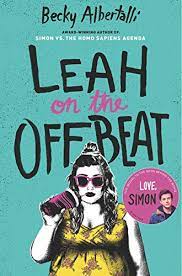
Becky Albertalli’s book Leah On The Offbeat was banned in a school district in Idaho, for containing “pornography.” Albertalli states in an Instagram post, “I can’t figure out which of the two (2) fully clothed kissing scenes they’re talking about, but congrats to the school board for their vigilance, I guess.” The YA novel wasn’t banned for the expressed reason, it was banned because it’s queer.

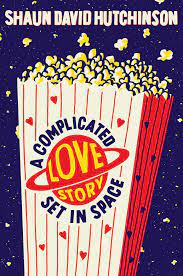
And that’s just the point—books about non white, cis, straight men are in needing of being censored, according to some people, such as Matt Krause. Matt Krause has been attempting to censor libraries across the states. His book list includes some of my favorites, such as A Complication Love Story Set In Space, Brave Face, Darius The Great Deserves Better, Felix Ever After, In The Dream House, They Both Die At The End, and so many more. By scanning the 16 pages of book titles, I see that the majority of the books are about sexuality, gender, and LGBTQIA+ history, as well as guidebooks directed to teens about their bodies, gender, sexuality, and growing up.

It’s not only novels, it’s picture books too. I’m so happy for all the young kids who get to grow up reading books about boys having pink shadows, but picture books like this need to be more accessible to everyone. I hope that all picture books that allow and encourage kids to explore their sexuality and gender identity are at libraries, but that’s the opposite of what the people challenging books want.

In the age of social media and other online resources, teenagers are able to access the topics they are banning in books, no matter if the books are in their local library or not. Representation is so important; being able to see yourself in media is crucial to the well-being of everyone, and specifically young adults.
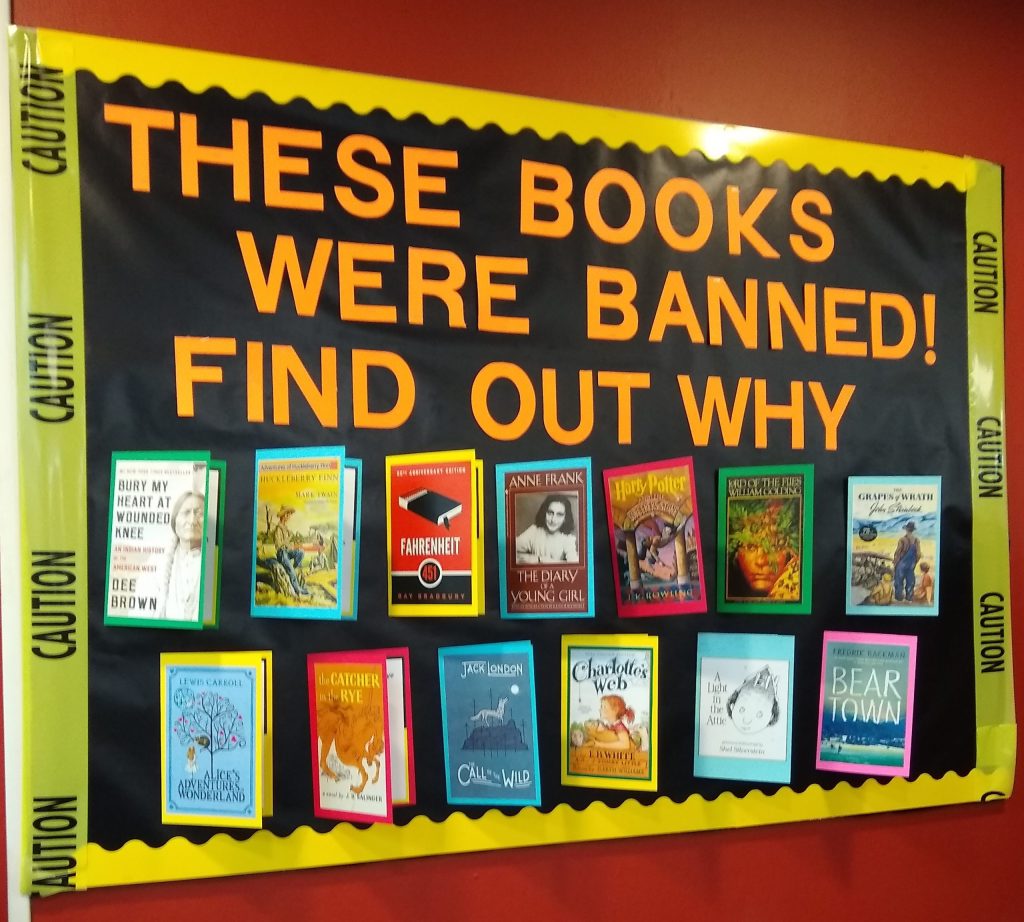
By banning a book, it is popularized more; the opposite of what book-banners want. Just last week I saw a banned book display at my local library, which piqued my interest to the books featured. Many libraries and book stores have displayed banned books, calling attention to the media. News articles and social media posts spread information quickly about the newest banned books.

It’s impossible to make kids not be trans or queer. By erasing the media about trans and queer people, we just confuse kids more. Not seeing representation in media can cause inner homophobia and transphobia; it can cause self-hate.
When the stories of trans, queer, and black people are targeted, we create a more hateful world. The reasons for censorship are unacceptable, but dismissed. How can anyone banning books be moving towards a better world?
 Bram the Bookworm
Leave a comment